Camping Gear and Nature Vector Graphics for Creatives
Visual storytelling shapes how audiences connect with outdoor brands, events, and educational content. A well-crafted Camping Gear and Nature Vector collection offers more than decorative elements — it provides a cohesive visual language that communicates adventure, preparedness, and the raw beauty of wilderness experiences. For designers, marketers, and outdoor enthusiasts who need to produce polished materials without starting from scratch, a thoughtfully assembled vector set can become an indispensable resource.
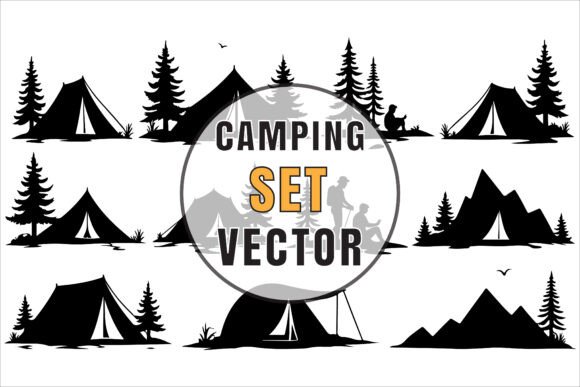
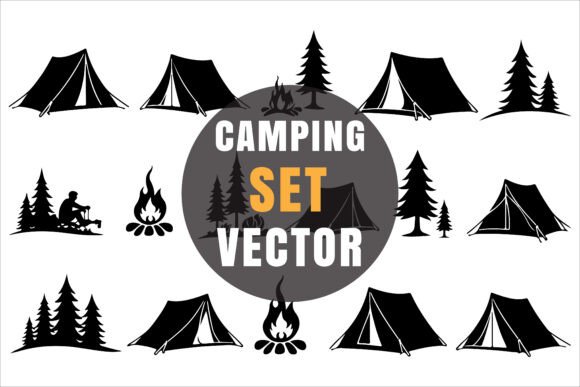
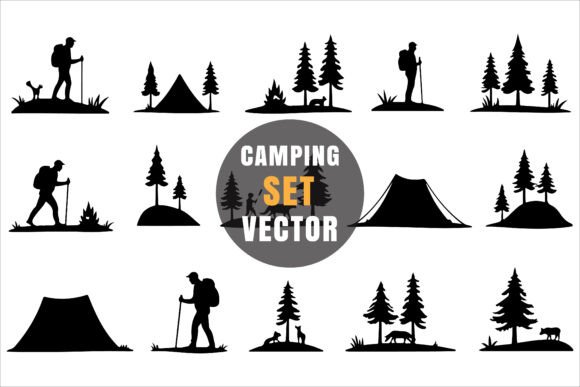
These collections typically bundle dozens of illustrated icons, scenes, and design elements — tents, backpacks, compasses, campfires, lanterns, sleeping bags, portable stoves, forest landscapes, mountain silhouettes, and tools associated with trekking and survival. The flat design approach many sets adopt keeps imagery clean and versatile, working equally well on a rugged merchandise tee or a crisp digital advertisement. What sets a dedicated camping vector set apart from generic nature illustrations is the specificity of the equipment represented — recognizable gear shapes that outdoor enthusiasts immediately identify with, from the curve of a hiking boot to the ridges on a camping stove knob.
What the File Package Contains and Why Format Variety Matters
When evaluating any vector collection, file format flexibility determines how easily the assets integrate into existing workflows. A standard package for a Camping Gear and Nature Vector set often includes EPS files, JPG files, and PNG files — three formats that serve distinct purposes across print and digital projects.
EPS files function as the master editable source. Designers working in Adobe Illustrator, CorelDRAW, or Affinity Designer can open these vector files and scale individual elements infinitely without quality loss. Need a campfire icon blown up for a large-format event banner? The EPS handles that cleanly. Want to change the color of every tent illustration to match a specific brand palette? Vector editing makes recolorization straightforward. For anyone serious about customizing graphics rather than using them as-is, access to EPS originals matters significantly.
JPG files provide ready-to-use raster versions with manageable file sizes. These work well for quick placements in presentations, social media posts, or blog articles where deep editing isn't required. The trade-off is a fixed background — JPGs lack transparency — so they suit situations where images sit on white or predictable backgrounds.
PNG files bridge the gap, offering raster convenience with transparency support. A compass icon with a transparent background layers cleanly over photographs, textured backgrounds, or colored blocks without awkward white boxes around the edges. For web designers and content creators building layered compositions, transparent PNGs dramatically reduce editing time.
Having all three formats means a small business owner crafting a camping event flyer can grab JPGs for quick placement, while their designer colleague pulls EPS files for deep customization on branding materials — all from the same collection. This versatility eliminates the friction of format conversion and keeps projects moving efficiently.
Outdoor Gear Branding That Feels Coherent and Intentional
Small outdoor equipment brands and cottage manufacturers often compete against larger companies with dedicated design departments. A Camping Gear and Nature Vector set levels that playing field by providing professionally illustrated equipment icons that can anchor logos, product labels, and packaging designs. Rather than commissioning custom illustrations for every SKU, a brand can select relevant icons — a minimalist tent for a shelter line, a campfire for fire-starting products, a compass for navigation tools — and maintain visual consistency across the entire catalog.
The benefit extends beyond cost savings. Consistency builds recognition. When customers encounter the same illustration style on a product hangtag, a website header, and a shipping box insert, the brand starts to feel established and trustworthy. The flat design aesthetic common in these vector collections reads as modern and approachable, avoiding the dated clip-art feel that can undermine perceived quality. For brands emphasizing eco-friendly values or rustic wild camping experiences, nature-centric illustrations reinforce messaging without requiring verbose explanations — the imagery itself communicates the lifestyle.
However, brands should consider exclusivity. Since vector collections are licensed to multiple buyers, icons won't be unique to a single company. Those seeking a truly proprietary logo mark may want to use the vectors as a starting point for customization — combining elements, adjusting proportions, or collaborating with a designer to modify base illustrations into something more distinctive. The vectors provide a strong foundation, but distinctive branding still benefits from thoughtful adaptation.
Event Promotions That Capture Outdoor Excitement
Organizing a camping rally, a wilderness skills workshop, or a family outdoor festival means juggling logistics while also promoting effectively. Event posters and flyers compete for attention in community boards, social feeds, and email newsletters. A camping gear vector collection gives organizers instant access to thematic imagery that signals the event's character — marshmallow roasting illustrations for a family-friendly gathering, topographical map elements for a serious trekking challenge, or lantern and campfire scenes for an evening storytelling event.
The practical advantage is speed. Instead of searching multiple stock sites, negotiating licenses, and hoping for stylistic consistency, an organizer opens one vector set and finds assets that already match in line weight, color sensibility, and design language. A poster featuring a tent, a backpack, and a compass from the same collection looks intentionally designed rather than hastily assembled. For recurring events, reusable assets mean each year's promotional material can evolve while maintaining visual continuity — attendees start recognizing the style and associating it with the experience.
Print considerations matter here. Vector graphics scale cleanly for large-format printing, so a poster design that looks sharp on screen translates faithfully to a 24-by-36-inch printed display. Raster alternatives might pixelate at those dimensions, creating an unprofessional impression that contradicts the event's quality. For organizers on tight budgets, avoiding reprint costs due to low-resolution source files represents real, measurable value.
Enriching Outdoor Blogs and Adventure Websites
Content creators running outdoor blogs, YouTube channels, or adventure travel websites face constant pressure to produce engaging visuals alongside written or video content. Stock photography subscriptions help, but photos don't always communicate concepts cleanly — explaining how to pack a backpack or set up a campsite often works better with simplified illustrations that remove visual clutter and focus on essential details.
A Camping Gear and Nature Vector resource enables bloggers to create custom infographics, step-by-step guides, and header images that feel original rather than templated. A post about campsite navigation could feature a compass and map illustration styled to match the site's color scheme. An equipment review roundup might use matching gear icons as visual anchors beside each product description. These small touches elevate perceived production quality, which influences how long visitors stay and whether they return.
From a technical perspective, vector-based illustrations load faster than high-resolution photographs when properly exported, contributing to better page speed — a factor that search engines reward. Web designers can also animate individual vector elements for subtle motion effects, adding visual interest without the bandwidth demands of video embeds. The PNG files with transparency prove particularly useful for layering illustrations over hero images or textured backgrounds in website headers.
Merchandise That Outdoor Enthusiasts Actually Want to Wear
Print-on-demand platforms and local screen printers have made merchandise creation accessible to nearly anyone, but design quality remains the differentiator between products people buy and products people scroll past. A camping club wanting member t-shirts, a campground selling souvenir mugs, or a hiking nonprofit creating fundraiser stickers all face the same challenge: the artwork needs to look authentic to the outdoor experience without requiring a professional illustrator's budget.
The clean, flat-design aesthetic common in camping gear illustrations transfers beautifully to physical products. Simple line work prints crisply on textiles. Bold icon designs read clearly on curved mug surfaces. Minimalist tent, mountain, and campfire graphics work as small vinyl stickers or generous back-print tee designs. Because the source files are vector-based, designs can scale to fit any product dimension without losing edge definition — a critical factor when the same artwork appears on both a small embroidered hat patch and a large hoodie graphic.
One thoughtful approach involves combining multiple icons from the set into a cohesive composition. A circular arrangement of gear icons — sleeping bag, portable stove, flashlight, water bottle, compass — creates a badge-style design that resonates with the camping life aesthetic popular in outdoor communities. This type of merchandise often sells well because it feels specific and authentic rather than generically outdoorsy.
Educational Materials That Make Skills Accessible
Scout leaders, outdoor educators, park rangers, and guidebook authors frequently need to explain techniques visually. Words alone struggle to convey how to properly pitch a tent, orient a map, or arrange firewood for different campfire types. Illustrated guides bridge that gap, and vector collections provide the building blocks.
An educator creating a wilderness survival handout can pull relevant icons — a compass for navigation sections, firewood and kindling for fire-starting instructions, a tent for shelter-building guidance — and arrange them into clear, visually organized layouts. The consistency of style from a single vector set means the final guide feels cohesive, which aids comprehension. Learners aren't distracted by jarring shifts between illustration styles; they focus on the information being conveyed.
For organizations producing materials across multiple topics, reusability becomes a significant efficiency gain. The same tent icon used in a beginner camping guide can appear in an advanced trekking manual, reinforcing visual vocabulary across the curriculum. Digital distribution of these guides as PDFs also benefits from vector graphics, which remain sharp at any zoom level — helpful when readers magnify diagrams on tablets or phones to examine details.
Who Gains the Most from These Vector Resources
Several groups find particular value in well-organized camping gear and nature vector collections. Freelance designers serving outdoor industry clients can dramatically reduce project turnaround times by maintaining a library of pre-built gear illustrations, customizing as needed rather than drawing every tent and backpack from scratch. The time saved translates directly to either more projects completed or deeper attention to other design aspects like typography and layout.
Small business owners in the outdoor space — campground operators, tour guides, gear repair services, outdoor educators — often wear multiple hats, including that of marketer. Without design training, they benefit from assets that look professional out of the box. Dragging a pre-made campfire illustration into a Canva template and pairing it with event details produces a flyer that looks intentionally designed, even by someone without formal design experience.
Content creators and bloggers building authority in the outdoor niche can use these vectors to differentiate their visual brand from competitors relying solely on stock photography. Original-feeling illustrations signal investment in quality, which supports credibility with both readers and potential brand partners. The versatility across platforms — website headers, Pinterest pins, Instagram story graphics, YouTube thumbnails — means one investment in assets pays dividends across an entire content ecosystem.
Situations Where Comparison Shopping Makes Sense
While a comprehensive camping vector set covers substantial ground, not every collection suits every need. Some sets lean heavily into minimalist, thin-line icon styles that work beautifully for web interfaces but lack the visual weight needed for merchandise printing. Others prioritize decorative, detailed illustrations perfect for posters but overly complex for small-scale logo work. Examining preview images carefully — and confirming that the package includes editable EPS files, not just PNGs — helps avoid disappointment.
Users managing established brands with rigid style guides may find pre-made vectors require more modification than anticipated. Recoloring and simplifying are straightforward in capable hands, but those without vector editing software or skills might face a learning curve. In such cases, pairing the vector purchase with a brief session from a freelance designer who can adapt the assets to brand specifications often yields the best outcome.
The licensing terms also warrant attention. Most vector collections allow commercial use in products and marketing, but restrictions sometimes apply to reselling the illustrations as standalone assets or incorporating them into logo templates for sale. Reviewing the license before integrating vectors into a core brand identity prevents complications later. For most typical uses — merchandise, promotional materials, website graphics, educational handouts — standard licenses cover the work comfortably.
Making the Visual Connection Between Gear and Nature
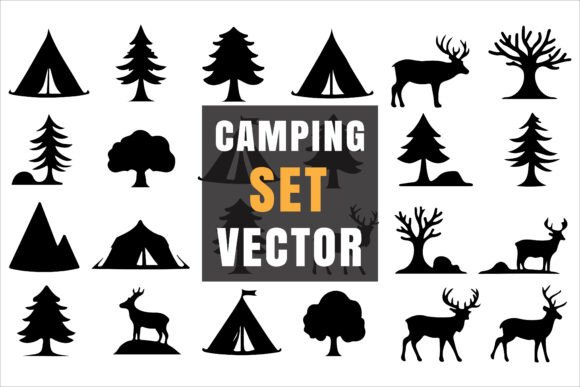
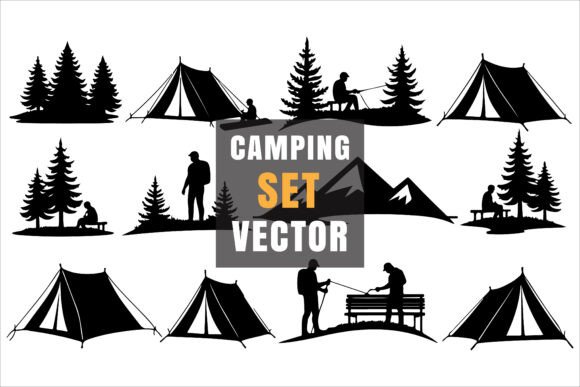
The strongest outdoor design work balances equipment imagery with natural elements. A tent illustration placed beside mountain silhouettes and forest icons tells a fuller story than gear alone. The best vector collections understand this relationship, pairing camping gear graphics with nature vector components — tree lines, sunrises, river paths, starry skies, and wildlife silhouettes. This combination lets designers build scenes that feel complete rather than like isolated icons floating in space.
When a camping event poster pairs a lantern illustration with a dark forest background and subtle firefly dots, the mood shifts toward wilderness adventure in a way that gear-only imagery cannot achieve. When a website header layers tent and campfire icons over a topographic contour background, the design communicates both activity and setting. Thoughtful layering of equipment and environment elements produces results that feel nuanced and intentional, resonating with audiences who care deeply about outdoor experiences.
For anyone communicating visually about camping, hiking, trekking, or outdoor exploration, having both gear and nature illustrations in a unified style opens creative possibilities that single-category collections simply cannot match. The practical outcome is faster design iteration, more compelling final outputs, and a visual identity that genuinely reflects the spirit of outdoor adventure.